
Cheer and Loathing in Lahore
Hassan Nasir
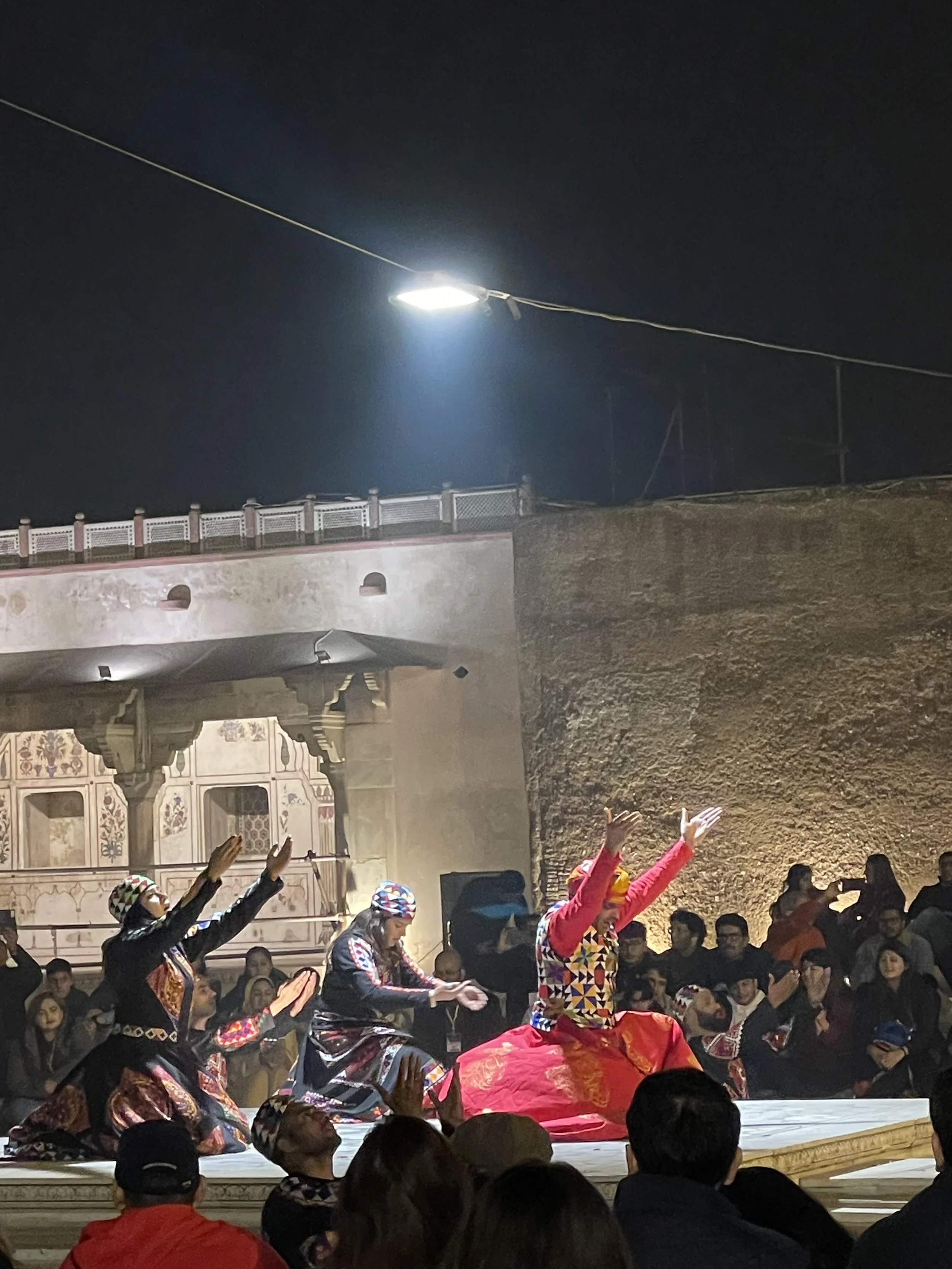
Pakistan is a land of contradictions and confections. The very same baker with his boxes of sweets turns sour one way or another. Perhaps it is envy towards the foreigner, the post-native interloper (I), that is to blame. Or is it the lack of resources, but rather more, the diversion of goods and services to the newly garrisoned subdivisions that seem to be springing up left and right? The days of street beggars wrapping on car windows have subsided. Yet there remains the chaos of the streets. Traffic here is like playing hopscotch with hatchbacks. Everyone from merchants to mothers make for the roads each minute of the day. Rickshaws with their tricycle structure and click-tick motors shuffle a troupe of university students on their way to catch up on gossip and eat gol-gappa from the corner cart. Women in groups of three as sisters parade in procession from one auntie’s house to another’s with their children in tow, cousins throwing rocks and pulling hair as children do. Their faces are scorned to boredom by lazy husbands and long days of housework. Men in suits with important briefcases and obscuring sunglasses ride on the backs of 70cc motorbikes back home for a cup of afternoon chai. The motorbike being as ubiquitous to these roads as the pickup truck is to American highways, and now the streets have been greeted by the very same locomotive, driven by those with monies new and old. The newest stone in the stream of road commerce that is the streets of Lahore. They all meet my eyes, eyes observing from the comfort of a passenger van with A/C. While dust and dirt are the precursors of modernization left to the passage of time, here in the urban core of Punjab Province, they are integral to the atmosphere, like a percentage of nitrogen. The foreigner’s nostrils are assaulted by particles unseen until he is forced to pick out blackened boogers. And yet, there is still great beauty in the smog silhouette of sunrise from the rooftops. I collapse my conscience to the morning call to prayer that echoes the city awake from minarets, layered persuasion to shed slumber and move to the mood of the day.
In this city of my birth, I am both a stranger and prodigal son. My accent and deliberate effort to be fluent in my native Urdu blows my cover. Or maybe it is my gait, flavored in the luxury of observational affect, that betrays my concealment. Rarely do you see someone strolling the local bookstore with his hands in his pockets and chest out— the proverbial posture of a Westerner. Had my parents stayed in Pakistan, my familial destiny would only have been delayed but one generation. My life would have trended towards a government funded education of stable vocation, medicine or engineering, then marriage, and finally expatriation. As a nation state, Pakistan is only 80 years old. What ills this place are the ailments of post colonialism followed by parochial patriotism. As if on a tight-rope, time enough has not passed for Pakistan to form an identity untouched by power plays at the United Nations or even its domestic judiciary. Chaos, not only in traffic, but in politics and welfare leaves the city slicker and rural farmer jaded alike.
The charm of the city is abundant in the crevices of society and history. One’s neighbor is their best friend. One’s uncle keeps a garden with rabbits and peacocks. A schoolteacher’s smile is enough to swoon a young boy to share his last chocolate bar. The poems of Bulleh Shah and gazals of Nusrat Fateh Ali Khan ring the heartstrings of artists throughout, with murals adorning the walls that surround canals that stream through the city’s central thoroughfares. But the charm is greatly obfuscated with juxtapositions of all sorts. Shopping malls border adjacent slums. Doctors and engineers are burdened by overpopulation and meager wages. The unspoken plague of the region, violent extremism, prompts the erection of metal detectors and pat down by armed guards outside McDonald’s. Bombs and Big-Macs? Bombs and Big-Macs.

